The IRS Just Made HSAs More Flexible
Every year, the IRS adjusts Health Savings Account rules. Most years, the changes are minor: a small bump to contribution limits, an inflation adjustment to deductible thresholds. In 2026, the changes are more significant than usual. If you have an HSA (or you are considering one), these updates could affect your healthcare strategy for the year.
Let us break down the three biggest changes, what they mean for your wallet, and what you should do about them.
Direct Primary Care Is Now HSA-Compatible
This is the headline change for 2026, and it has been a long time coming.
Direct Primary Care (DPC) is a healthcare model where you pay a monthly membership fee directly to a primary care doctor. No insurance middleman. No copays. No claims. You pay a flat rate (typically $50 to $150/month) and get unlimited access to your doctor, same-day appointments, and longer visits.
The problem until now: if you enrolled in a DPC arrangement alongside a high-deductible health plan (HDHP), the IRS considered the DPC fee as "other coverage" that could disqualify you from HSA contributions. This created an absurd situation where people who were trying to lower their healthcare costs were punished for it.
Starting in 2026, DPC memberships no longer disqualify you from contributing to an HSA, as long as your underlying health plan meets the standard HDHP requirements.
What this means in practice:
- ●You can pay a DPC membership AND contribute to your HSA
- ●Your DPC fees may themselves be HSA-eligible as a qualified medical expense
- ●You get predictable primary care costs plus the investment and tax benefits of an HSA
For people who are healthy enough that most of their medical spending is routine primary care (annual physicals, sick visits, basic lab work), the DPC plus HSA combination could save thousands per year. The DPC fee covers your everyday needs, the HDHP covers catastrophic events, and your HSA grows tax-free in the background.
The math: Say you pay $100/month for DPC ($1,200/year) and your HDHP premium is $150/month less than a traditional plan. Your net savings on premiums: $600/year. Plus you still get to contribute $4,400 (individual) or $8,750 (family) to your HSA. That combination of lower premiums, predictable care costs, and tax-free investing is hard to beat.
Bronze Plan Compatibility
The second notable change: the IRS has clarified and expanded which bronze-tier marketplace plans qualify as HDHPs for HSA purposes.
In previous years, there was a gray area. Some bronze plans had deductibles that met the HDHP threshold but included pre-deductible benefits (like free preventive care or a few covered office visits) that created confusion about whether they technically counted as "other coverage."
The 2026 guidance makes it clearer that bronze plans with standard preventive care benefits remain HSA-compatible, as long as the plan's deductible and out-of-pocket maximum fall within the HDHP parameters:
| Requirement | Individual | Family |
|---|---|---|
| Minimum deductible | $1,700 | $3,400 |
| Maximum out-of-pocket | $8,500 | $17,000 |
This is good news for people who buy insurance on the marketplace. Bronze plans typically have the lowest premiums and highest deductibles, making them a natural fit for the HSA strategy. The 2026 clarification removes any lingering doubt about eligibility.
If you are shopping on the marketplace during open enrollment, look specifically for bronze plans that are labeled HSA-compatible. Not all bronze plans qualify, but many do. Compare the premium savings against other tier options and factor in the tax savings from HSA contributions. For many healthy individuals and families, the bronze-plus-HSA combination is the most cost-effective option available.
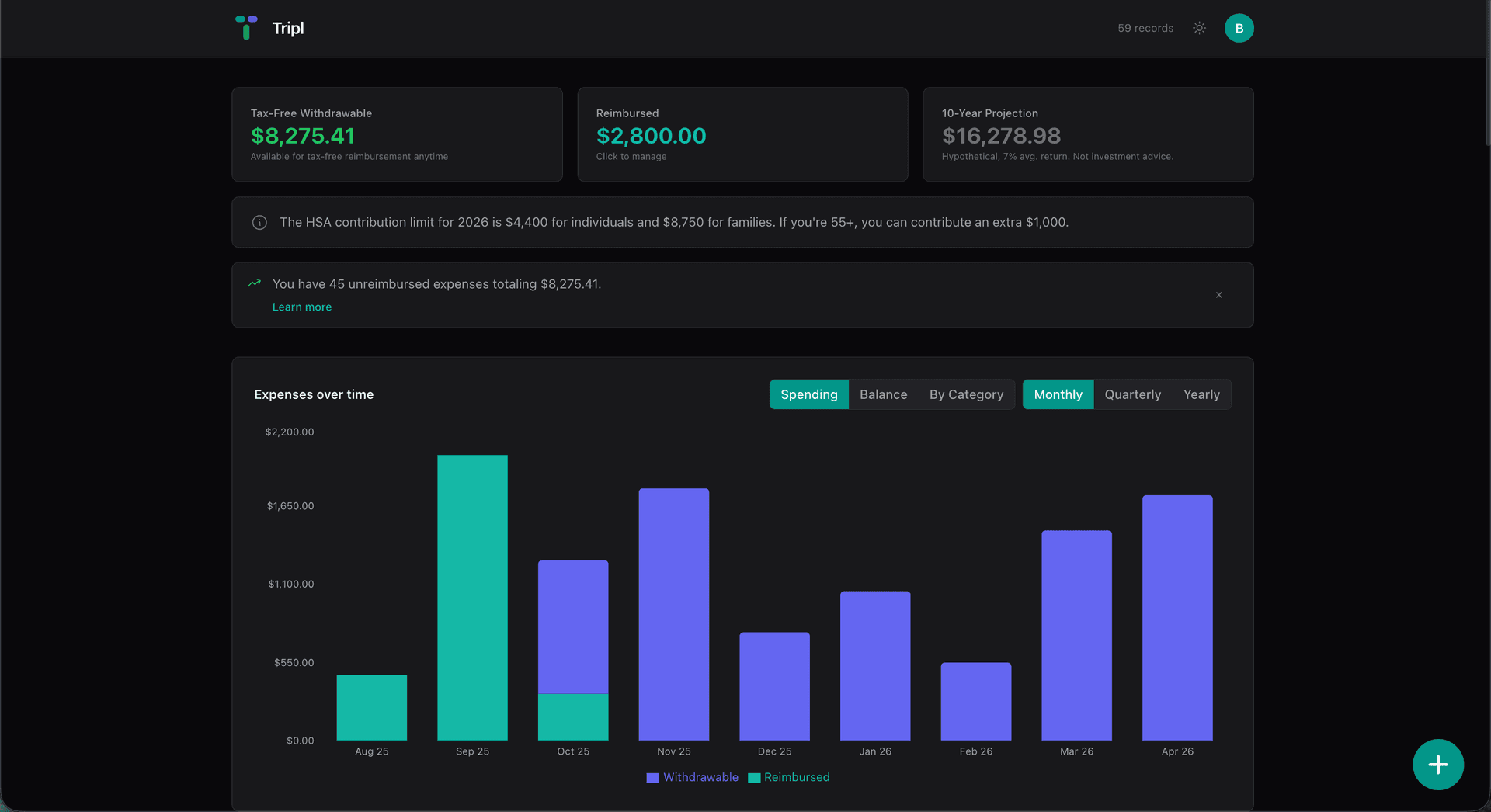
Updated Contribution Limits for 2026
The IRS has increased HSA contribution limits for 2026. Here are the new numbers alongside the 2025 limits:
For a full breakdown of the 2026 contribution limits, including catch-up contributions, tax savings by bracket, and deadline rules, see our complete guide.
Action item: If you set up automatic HSA contributions at the start of the year, check whether you updated them for the new 2026 limits. Many people set their contributions in January and forget to adjust when limits increase. You are leaving tax-advantaged space on the table if your contributions still reflect 2025 numbers.
HDHP Threshold Adjustments
The minimum deductible and maximum out-of-pocket limits for qualifying HDHPs also changed slightly:
| Parameter | 2025 | 2026 |
|---|---|---|
| Min deductible (individual) | $1,650 | $1,700 |
| Min deductible (family) | $3,300 | $3,400 |
| Max OOP (individual) | $8,300 | $8,500 |
| Max OOP (family) | $16,600 | $17,000 |
If your employer offers multiple health plan options, confirm that the plan you chose still meets the HDHP requirements. Most plans that qualified in 2025 will still qualify in 2026, but it is worth double-checking, especially if your employer made changes during open enrollment.
What You Should Do Right Now
Here is a practical checklist based on these 2026 changes:
1. Check your contribution amount. Make sure you are contributing the full $4,400 (individual) or $8,750 (family). If you are 55 or older, add the $1,000 catch-up.
2. Explore DPC if it interests you. If you have been curious about Direct Primary Care, 2026 removes the HSA penalty. Research DPC practices in your area and compare the total cost (DPC membership + HDHP premium + HSA contributions) against your current setup.
3. Verify your HDHP still qualifies. The threshold adjustments are small, but if your plan is borderline, confirm it meets the 2026 minimums.
4. Invest your HSA balance. Rule changes do not help you if your HSA is sitting in a cash account earning next to nothing. Move your balance into low-cost index funds and let it grow.
5. Keep tracking receipts. None of these rule changes affect the core reimbursement strategy. Pay out of pocket, save receipts, let your HSA grow. The new contribution limits just mean more money working for you tax-free.
The Bigger Picture
The 2026 changes signal that Congress and the IRS continue to expand HSA flexibility. DPC eligibility in particular opens the door to a healthcare model that many people prefer but could not pair with an HSA before now.
If you are already maximizing your HSA, these changes give you slightly more room and more options. If you have been on the fence about starting, 2026 is as good a year as any. The contribution limits are the highest they have ever been, DPC is now on the table, and no other account offers tax-free treatment at all three stages: contributions, growth, and withdrawals.
*This is educational content, not financial or tax advice. Consult a qualified professional before making decisions about your HSA.*